1–2 Drinks in Your Eating Window: Alcohol and Fasting, Habit Based
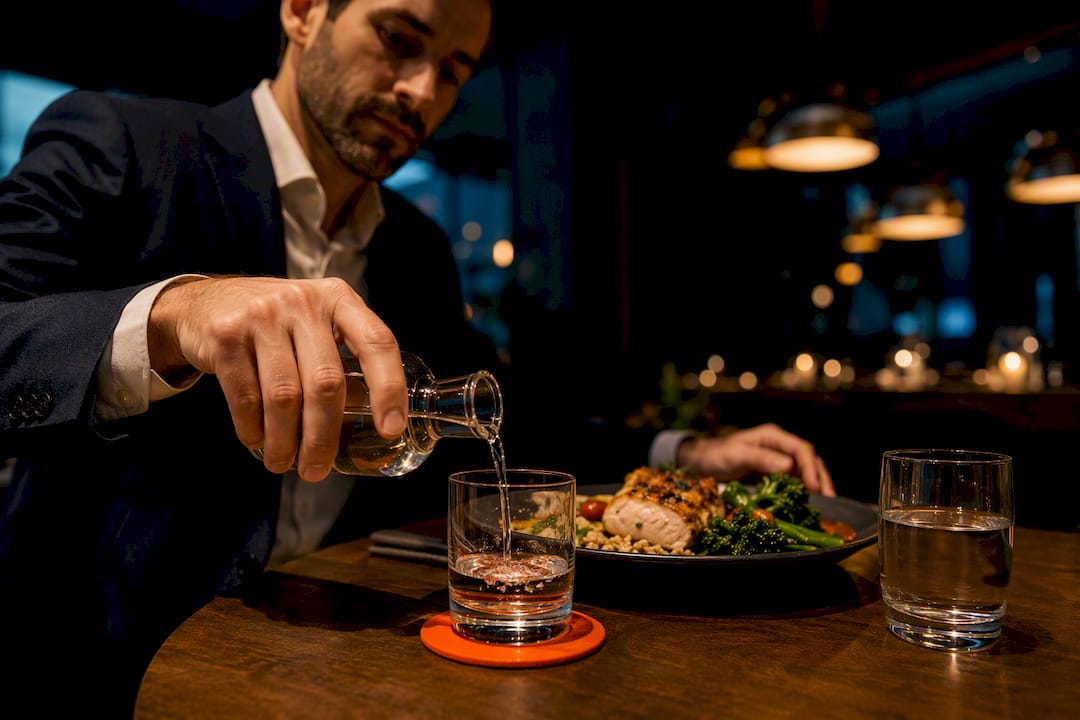
Yes, alcohol will break a strict fast. It carries calories, and your liver stops nearly everything else to process it, which pauses fat burning and disrupts autophagy. The workable rule for most fasters: drink only inside your eating window, eat a real meal first, and stay within one drink a day for women or two for men.
TL;DR:
Drinking alcohol during fasting suppresses fat oxidation for hours, hindering fat burning, ketosis, and autophagy, even if consumed within the eating window.
Alcohol’s calories, at about 7 per gram, break a fast regardless of sugar content, making moderate drinking acceptable mainly during eating periods for weight loss.
Drinking on an empty stomach causes faster alcohol absorption, leading to worse sleep, increased appetite, and elevated inflammation over time.
To minimize metabolic disruption, limit alcohol to one drink per hour, choose dry spirits or wine, and always consume with a balanced meal.
If you drink during a fast, rehydrate first, avoid overdrinking, and return to your normal eating window the next day; extended fasts are not necessary to compensate.
Table of Contents
How Alcohol Metabolism Interacts With Fasting (Fat Burning, Ketosis, and Autophagy)
Your liver treats ethanol like an intruder that needs to leave immediately. It gets metabolized before fat, before carbs, before almost anything else in your bloodstream. That reordering is the entire problem with drinking during intermittent fasting and intermittent fasting alcohol timing debates in general: it’s not really about the calorie count, it’s about what your body stops doing while it deals with the alcohol first.
Ethanol suppresses fat oxidation directly, and that suppression lasts for hours after you finish your last drink, according to research on alcohol and energy metabolism. While your liver is busy clearing alcohol, the fat burning you were counting on during your fasting window essentially idles.
Quick numbers that matter here:
The liver clears roughly one standard drink per hour, and alcohol supplies about 7 calories per gram, per NIAAA’s metabolism guidance.
Drinking multiple drinks in a short period means hours where fat oxidation stays suppressed, sometimes longer depending on body size and food intake.
Acute alcohol intake can also raise insulin and blunt ketone production, interfering with the cellular repair processes tied to autophagy, according to a review on alcohol’s metabolic effects.
If your main goal is fat loss, that pause is annoying but recoverable. If you’re fasting specifically for autophagy or longevity benefits, alcohol works against the exact mechanism you’re trying to trigger.
Does Alcohol Break a Fast? Calories, Carbs, and What Actually Counts
Strictly speaking, yes. Any drink with calories breaks a zero-calorie fast, full stop. That includes “clean” spirits like vodka or gin that people assume are fine because they’re carb-free. Ethanol itself carries calories regardless of sugar content, so the belief that dry spirits don’t count is one of the most common myths in intermittent fasting and alcohol circles.
What changes is how much it matters, depending on your goal:
Weight loss fasting: A splash of alcohol technically breaks the fast, but the metabolic damage is minor if it happens inside your eating window and you don’t overdo total calories for the day.
Autophagy or longevity fasting: Alcohol is a bigger problem here. Even small amounts can blunt the cellular repair signals you’re fasting to trigger, so clinical guidance on prolonged fasting generally recommends skipping alcohol entirely during extended fasts.
Simple 16:8 or 18:6 schedules: Moderate drinking within the eating window rarely undoes your progress, as long as it’s occasional rather than nightly.
The honest edge case: a single dry wine with dinner is a different situation than three cocktails on an empty stomach. Context decides the damage.
Why Drinking on an Empty Stomach Is Riskier Than You Think
The biggest danger with drinking while intermittent fasting isn’t the calories. It’s how much faster alcohol hits you when your stomach is empty.
Food slows alcohol absorption. Without it, alcohol moves into your bloodstream faster and pushes your peak blood alcohol concentration higher than the same drink would after a meal, according to research on alcohol absorption and food. That means the same two drinks that felt manageable last Tuesday after lunch can hit noticeably harder if you drink them at the end of a 16 hour or 18 hour fast.
Three things tend to happen next, in order:
Sleep quality drops. Alcohol fragments deep sleep and REM cycles, which is when most physical recovery happens, per research on alcohol and sleep.
Next-day appetite spikes. Poor sleep and alcohol’s own effect on hunger hormones tend to push people toward bigger portions and worse food choices the following day, a pattern confirmed by a meta-analysis on alcohol and food intake.
Regular drinking compounds the problem. Frequent alcohol consumption raises baseline inflammation, which works against the metabolic gains fasting is supposed to build over time.
Pro Tip: If you know you’re drinking that night, don’t stretch your fasting window later than usual to “save calories” for alcohol. Eat a normal meal first. Fasting longer just to drink more is the exact setup that leads to faster intoxication.
The Practical Rules: When to Drink, What to Drink, and How Much
Here’s the version you can actually follow on a Friday night without overthinking it.
Timing: Keep alcohol inside your eating window, ideally after a meal with protein, fat, and fiber. That combination slows gastric emptying and gives your body something other than ethanol to metabolize at the same time.
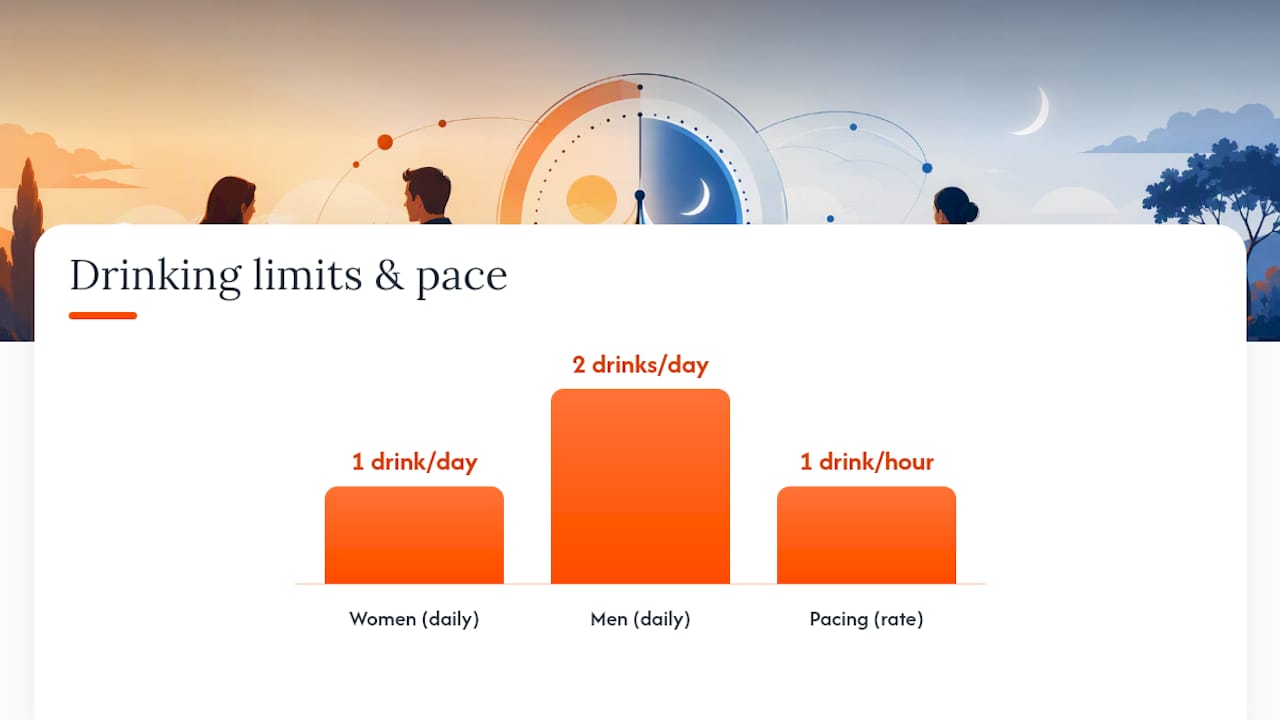
Amount: Stick to the CDC’s moderate drinking guidance: up to one drink a day for women, up to two for men. Occasional is the operative word. A drink most nights adds up to a very different metabolic picture than a drink once or twice a week.
What to choose:
Dry wines (cabernet, sauvignon blanc, pinot noir) over sweet wines or dessert wines.
Spirits with soda water, a splash of citrus, or another zero-calorie mixer instead of tonic, juice, or syrup-heavy sours.
Light beer over regular beer if you’re tracking total calories closely.
Skip sugary cocktails and premixed canned drinks. They stack sugar calories on top of the alcohol calories and spike blood sugar right when your body was fasting to avoid that.
Pacing: Alternate every alcoholic drink with a glass of water, and try to cap intake around one standard drink per hour. That pace roughly matches your liver’s clearance rate, so you’re not stacking unprocessed alcohol faster than your body can handle it.
Pro Tip: Order your water when you order your first drink, not after you’re already three deep. It’s a small habit, but it changes your pacing more than willpower ever will.
What To Do If You Drank During Your Fast
If it already happened, don’t panic and don’t punish yourself with an extreme extended fast the next day. Here’s the sequence that actually helps:
Rehydrate first. Alcohol is a diuretic, so water (with electrolytes if you have them) matters more right now than food.
Don’t drive or operate anything that requires full alertness until you’re clearly no longer impaired, and get medical help if you feel unusually sick or disoriented.
Eat if you’re genuinely hungry, especially something with protein, rather than forcing yourself back into a fast on top of the alcohol still in your system.
Expect a delay, not a disaster. Fat oxidation typically resumes once your liver finishes clearing the alcohol, roughly one hour per standard drink. Two drinks means about two hours of delayed fat burning, not a wasted week.
Resume your normal eating window the next day. No extra-long fast to “make up for it.” That kind of overcorrection usually backfires into overeating later.
Making the Rules Stick: A Habit-First Approach to Social Drinking
Rules only work if they survive contact with an actual Friday night, and that’s where habit structure matters more than willpower. Build your drinking around your schedule instead of the other way around. Check your calendar for the week, spot the social events, and pre-decide your eating window and drink limit before you’re standing at the bar making that decision half-hydrated.
Small, trackable goals beat vague intentions. Try one less drink per month, or log every social event where you stuck to your plan. Planning an “eat before you drink” rule and a pre-committed limit meaningfully reduces overdrinking after a long fast, when alcohol sensitivity runs high. Tools built around fasting schedules for busy professionals can help you map eating windows around events you already know are coming.
A Realistic Take on Social Drinking and Fasting Goals
Nobody sticks to a fasting plan that forbids every happy hour and every dinner with wine. The goal isn’t zero alcohol, it’s planning around it instead of letting it ambush your schedule. Eat first, drink inside your window, keep it moderate. That’s the whole system, and it works precisely because it doesn’t ask you to choose between your social life and your progress.
— Tony Lindsay
Plan Your Eating Window Before You Plan Your Night Out
ForgeFast is built for exactly the situation this article just walked through: you have a fasting goal, you also have a life, and you need a system that accounts for both instead of pretending one doesn’t exist. Some intermittent fasting apps let you set and adjust eating windows around real events on your calendar, so a dinner with friends doesn’t mean abandoning your protocol, it just means shifting it.

Some apps send reminders to eat before you head out, track the habits you’re actually trying to build (like a pre-set drink limit or a “water between rounds” rule), and keep a record of how consistent you’re staying over weeks, not just one night. If you want a structure that handles social drinking without derailing your metabolic goals, check out the ForgeFast App and set up your first eating window today.
This article is general information, not a substitute for advice from a qualified doctor. Consult a qualified healthcare professional about your own circumstances before acting on anything here.
Sources
FAQ
Is Fasting After Drinking Alcohol a Good Idea?
Fasting doesn’t clear alcohol any faster than normal, since your liver processes it at a fixed rate regardless of what else you eat. If you drank the night before, a normal eating window the next day is safer than an extended or extreme fast, which can add dehydration and low blood sugar on top of a body that’s already recovering.
Does Fasting Flush Out Alcohol Faster?
No. Your liver clears alcohol at roughly one standard drink per hour no matter whether you’re fasting or eating normally. Fasting doesn’t speed up that process, and skipping food while your body is still processing alcohol can make you feel worse, not better.
Do You Break Your Fast If You Drink Alcohol?
Yes, alcohol carries calories, so it breaks a strict, zero-calorie fast the moment you drink it. The practical impact depends on your goal: minor for straightforward weight-loss fasting done occasionally, more significant if you’re fasting specifically for autophagy, where even small amounts can blunt the repair process.
What Happens to Your Body After Three Weeks Without Alcohol?
Three alcohol-free weeks typically means better sleep quality, since alcohol fragments deep and REM sleep even in moderate amounts. Many people also notice steadier appetite and less next-day overeating, both tied to how alcohol disrupts hunger hormones and rest.
Can I Drink Alcohol While Doing Intermittent Fasting Long-Term?
Occasional, moderate drinking inside your eating window is compatible with most intermittent fasting routines aimed at weight management or general health. Regular or heavy drinking is a different story: it raises inflammation and works against the metabolic benefits fasting is meant to build over months, so frequency matters as much as amount.
Recommended
Comments