Fasting and Competition Day Nutrition: Your Practical Guide
- Tony Lindsay
- Aug 2
- 8 min read
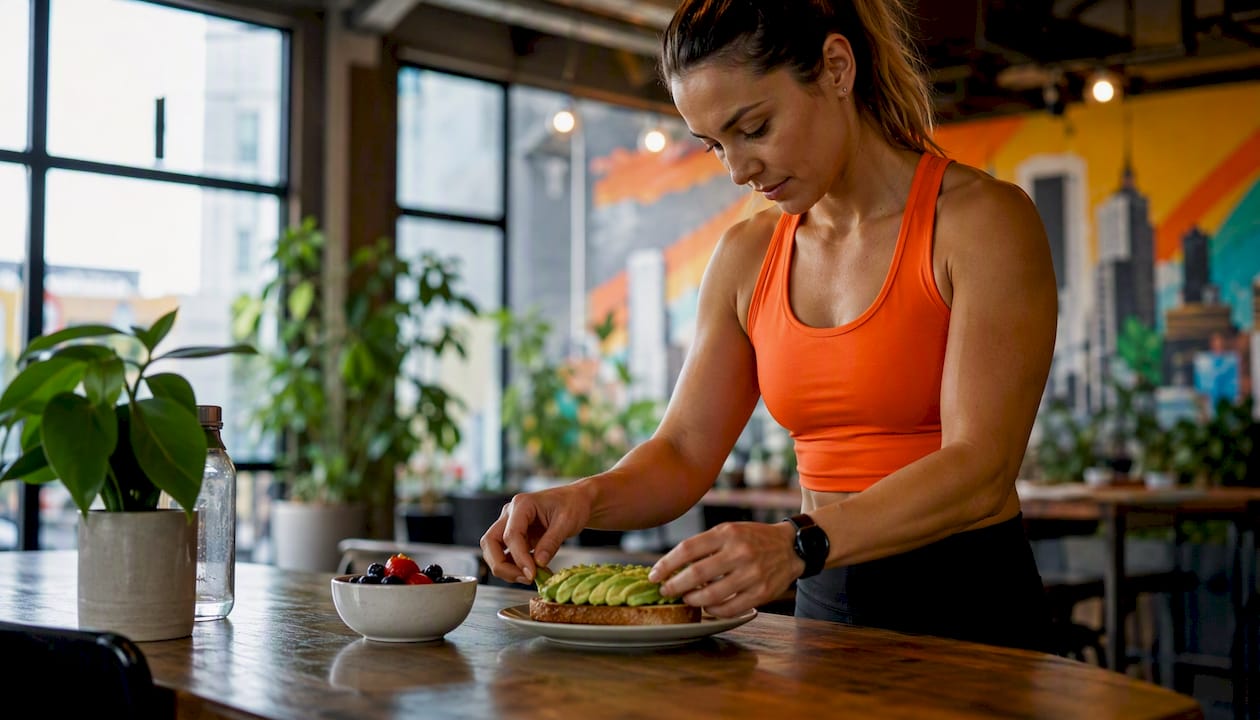
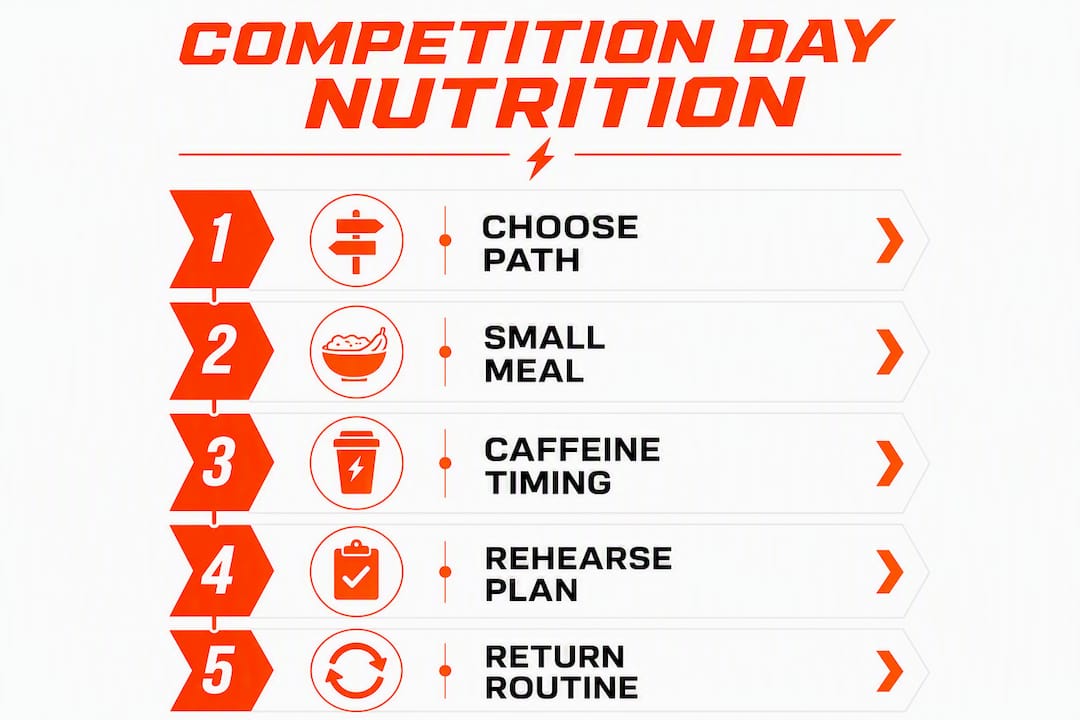
On a high-stakes day, you have three viable paths: keep your fast and use noncaloric supports (Path A), shift your eating window earlier to fit a small pre-event meal (Path B), or deliberately break the fast with a small, familiar meal before the event (Path C). For most habit-followers, Path B is the right first attempt. It protects your fasting structure while giving you the subjective clarity boost that research confirms often follows a practiced pre-event feed.
Here is what each path costs you:
Path A (keep the fast): maximum habit consistency, lowest GI risk, but subjective clarity may feel lower if you are not yet adapted.
Path B (shift window earlier): strong habit protection plus a pre-event meal, requires planning and rehearsal, small GI risk if foods are unfamiliar.
Path C (intentional fast break): highest subjective confidence for some people, lowest habit consistency, highest GI risk if the meal is novel or large.
The single rule that cuts through all three: choose the smallest change that solves your actual problem, then rehearse it once before the event.
Table of Contents
Which path fits your competition day? A step-by-step decision flow
What to eat before your event if you break or shift your fast
How to use caffeine and hydration without breaking your fast
How to rehearse your plan and fix problems before the real day
ForgeFast gives you the tools to rehearse this before it counts
Which path fits your competition day? A step-by-step decision flow
Start here: if habit consistency is your top priority, stay on Path A with noncaloric supports. If subjective clarity is non-negotiable, shift your window earlier (Path B). If your GI system is unpredictable or your energy needs are genuinely high, Path C with a small, known meal is the safer bet.
Work through these five questions to confirm:
What time does your event start? Events before 10:00 AM favor Path A or a very early Path B meal. Afternoon events (after 2:00 PM) carry a circadian dip risk, making Path B or C worth considering.
How do you typically feel fasted at hour 14–16? Sharp and focused? Path A is fine. Foggy or irritable? Path B or C.
Is your GI system sensitive under stress? Yes? Stick with foods you have eaten dozens of times. Novel meals on event day are a gamble you do not need to take.
How important is the ritual of your fasting window? If breaking it feels psychologically disruptive, Path A or B preserves that structure better than C.
Can you run a rehearsal day this week? If yes, any path is viable. If no, default to Path A. Unrehearsed changes on event day are the single biggest mistake habit-followers make.
Pro Tip: Pick the path that requires the fewest changes from your normal routine. A small, practiced deviation beats a large, untested one every time. Schedule a low-stakes rehearsal day before the event and treat it exactly like the real thing.
What to eat before your event if you break or shift your fast
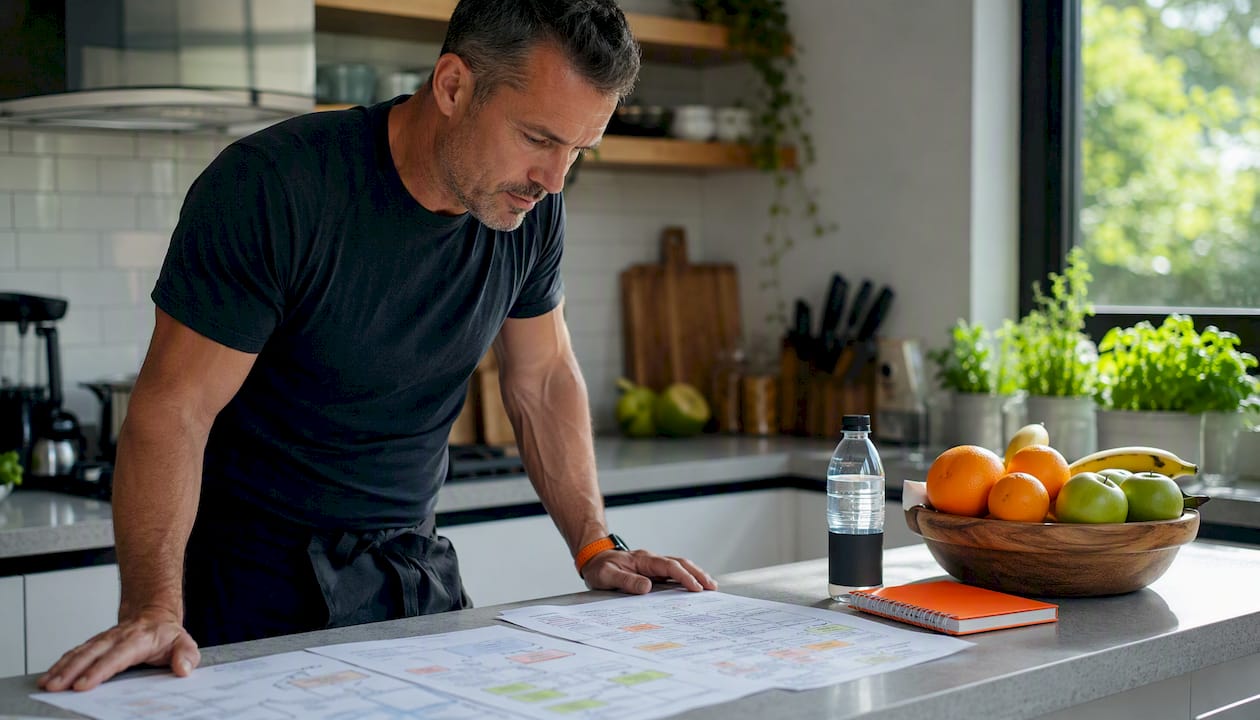
The best practice for most fasting habit-followers: a small, protein-forward meal 60–120 minutes before the event. Shorter than 60 minutes risks GI discomfort during peak demand. Longer than 120 minutes may leave you past the glycemic benefit window by the time you need focus.
Event start | Latest eating time | Notes |
8:00 AM | — | Keep the meal very small; digestion competes with sleep inertia |
— | — | Ideal window — most people are fully awake and digesting well |
2:00 PM | 12:00–12:30 PM | Watch for the early-afternoon circadian dip post-meal |
— | 4:00–4:30 PM | Fasted performance tends to drop in late-day testing; a small meal here is worth it |
Sample meals that work well for this window:
Greek yogurt (150 g) + a small handful of berries + 10–12 almonds
Two scrambled eggs + half a slice of whole-grain toast
A protein smoothie with 15–20 g protein, half a banana, and water or unsweetened almond milk
Cottage cheese (100 g) + a few rice crackers
Keep portions modest. A full meal before an event is not the goal. The goal is a stable blood-glucose baseline and enough protein to support mental steadiness. Meal prep strategies that you have already rehearsed on normal fasting days translate directly here.
How to use caffeine and hydration without breaking your fast
Use small, timed caffeine doses 30–90 minutes before your peak demand period. The fasted state amplifies caffeine’s effects, so the dose that felt moderate on a fed day can feel sharp or jittery when you are fasted. Start at 50–100 mg and move to 150 mg only if you have confirmed tolerance during rehearsal.
Hydration is not optional. Aim for 250–500 ml of water in the hour before your event, then steady small sips through the pre-event period. If you are sweating or under significant stress, a noncaloric electrolyte option (sodium, potassium, magnesium without added sugar) prevents the cognitive dips that mild dehydration causes on fasting days.
Noncaloric supports that preserve your fast:
Black coffee or plain espresso
Plain green or black tea
Sparkling water with a pinch of sea salt
Noncaloric electrolyte powders or tablets (check labels for zero sugar)
Stop immediately if you notice palpitations, sudden dizziness, or GI cramping. Those are signals to hydrate, sit down, and reassess. Caffeine on an empty stomach hits faster and harder than most people expect the first time.
Pro Tip: Pair your morning fasting rituals with your caffeine timing on rehearsal days so the sequence becomes automatic by event day.
How to rehearse your plan and fix problems before the real day
Rehearse the full timeline at least once under low-stakes conditions. One dry run is enough to surface the issues that would otherwise surprise you on event day.
Simulate the exact timing: wake time, fasting window, meal (if using Path B or C), caffeine dose and timing, hydration schedule.
Note your mental state at the event start time. Write it down. Subjective clarity, energy level, GI comfort.
Adjust one variable at a time. If you felt flat, try adding a small carb dose (20–30 g) 45–60 minutes before the simulated event start.
Repeat once if you changed something significant.
Common problems and their fixes:
GI upset: Reduce portion size by half, shift the meal 30 minutes earlier, and remove any high-fiber or high-fat components.
Energy dip mid-event: A small carb dose 45–60 minutes before the event start usually resolves this. A banana or a few rice crackers is enough.
Amplified afternoon dip: Research shows fasted performance tends to drop more in late-day testing. Shift your caffeine dose earlier, or use a 100–150 mg microdose at the dip’s onset.
Feeling mentally foggy despite no objective impairment: This is common. Studies find that objective cognitive tests often show no decline during intermittent fasting, even when people report feeling less sharp.
That is why rehearsal matters beyond logistics. It builds the expectation that you have done this before and it worked.
Who should not use these event-day fasting strategies
Children, adolescents, people on glucose-lowering medications, pregnant or breastfeeding people, and anyone with a history of disordered eating should not follow these event-day fasting tactics without direct medical guidance. Research consistently flags these groups as higher-risk for cognitive and metabolic downsides during fasting.
Warning signs that require immediate action:
Fainting or near-fainting: Stop, sit or lie down, hydrate, and seek help if it does not resolve within a few minutes.
Severe dizziness or confusion: End the fast immediately, consume a small carbohydrate source, and contact a clinician if symptoms persist.
Chest pain or severe palpitations: Stop all activity, do not attempt to push through, and seek emergency care.
Pro Tip: If you are on any medication that affects blood glucose, build a written safety plan with your clinician before attempting any event-day fasting modification. Keep a fast-acting carbohydrate source within reach.
How to return to your fasting routine after the event
Return to your planned fasting window on the next scheduled opportunity. Do not compensate by extending the next fast or cutting calories aggressively. That kind of overcorrection triggers stronger hunger signals and makes the habit harder to sustain.
Immediate recovery checklist:
Hydrate within 30 minutes of finishing the event.
Include 20–30 g of protein within 2–3 hours post-event.
Restore electrolytes if you sweated or were under prolonged stress.
Avoid going extremely low-calorie in the post-event meal. Hunger rebound the next morning is worse and harder to manage.
A simple post-event meal: lean protein (chicken, fish, or tofu) with roasted vegetables and a small portion of a whole grain like brown rice or quinoa. Familiar, easy to digest, and complete enough to support recovery without triggering a binge-rebound cycle.
Treat the event-day deviation as a planned exception, not a failure. Habit stability depends on how you frame deviations. One modified day inside a consistent fasting structure does not derail progress. Resuming your normal window the next day is the entire recovery plan.
Key Takeaways
On a high-stakes day, the most protective approach is the smallest change from your normal fasting routine, rehearsed at least once before the event.
Point | Details |
Choose your path early | Pick Path A, B, or C based on event timing, GI sensitivity, and habit priority — not on the day itself. |
Rehearse at least once | Run the full timeline under low-stakes conditions before the event; one dry run surfaces most problems. |
Pre-event meal timing | Eat 60–120 minutes before the event; keep it small, protein-forward, and made of foods you have eaten before. |
Caffeine and hydration | Use 50–150 mg caffeine 30–90 minutes before peak demand; drink 250–500 ml water in the hour before the event. |
ForgeFast framework | ForgeFast’s rehearsal checklists and adaptive window tools are built to help you test and track exactly this kind of event-day plan. |
Why rehearsal beats willpower every time
The conventional advice for event-day nutrition is to eat a “good meal” and stay hydrated. That advice is not wrong. It is just incomplete for anyone running a structured fasting protocol, because the real variable is not the meal. It is the gap between what you expect to feel and what you actually feel.
Human brains are genuinely resilient to brief food shortages. Short fasts in the 8–12 hour range show minimal objective cognitive impact for most healthy adults. What does shift is the subjective experience, and that gap between “I feel foggy” and “my test scores are fine” is where most event-day anxiety lives. Rehearsal closes that gap. It converts an unfamiliar experience into a known one, and known experiences feel manageable.
ForgeFast’s habit-first methodology is built on exactly this principle: structure reduces the cognitive load of decision-making under pressure. When your event-day protocol is already a practiced sequence, you are not spending mental energy on logistics. You are spending it on performance. That is the real edge that consistent fasting rewires into your behavior over time.
ForgeFast gives you the tools to rehearse this before it counts
Most people figure out their event-day fasting strategy the hard way: on the day itself, under pressure, with no fallback. ForgeFast is built to prevent exactly that.

The platform gives you structured rehearsal checklists, adaptive fasting window templates, and meal timing guides designed for high-demand days. You can map your event start time, select your path, and run a dry-run protocol inside the app before the real day arrives. The habit tracking tools log your mental state, energy, and GI response so you can iterate with actual data rather than guesswork.
If you want a fasting protocol built for competition-like days, ForgeFast’s framework gives you the structure to test it safely. Start your free trial at forgefastmethod.com and run your first rehearsal day this week.
Further reading and key sources
Source | Why it matters |
Stable cognitive performance while adapting to intermittent fasting (PMC) | RCT showing subjective clarity often improves after a practiced pre-event feed, even when objective scores stay similar. |
Fasting Doesn’t Dull the Mind After All (Psychiatrist.com) | Explains circadian amplification of fasting dips and why afternoon events carry higher risk. |
Intermittent Fasting Does Not Impair Thinking (Healthline) | Large review finding minimal objective cognitive decline in healthy adults; supports hydration and electrolyte guidance. |
We Were Wrong About Fasting (Science Alert) | Covers safety cautions for vulnerable groups and late-day performance drops in fasted participants. |
Documents expectation effects and the adaptation period that explains early-week subjective symptoms. | |
Intermittent fasting and mental health (PMC) | Foundational neuroscience on how fasting cycles affect neuroplasticity and brain energy supply. |
Practical resource on circadian timing and monitoring for rehearsal tracking. | |
Expands on the neurological mechanisms behind fasting and cognitive control referenced in the perspective section. | |
Practical decision-making tips that complement the decision flow section above. |
Recommended
Comments