Intermittent Fasters: When Stevia Is Safe, Use 4–8 Drops in Coffee

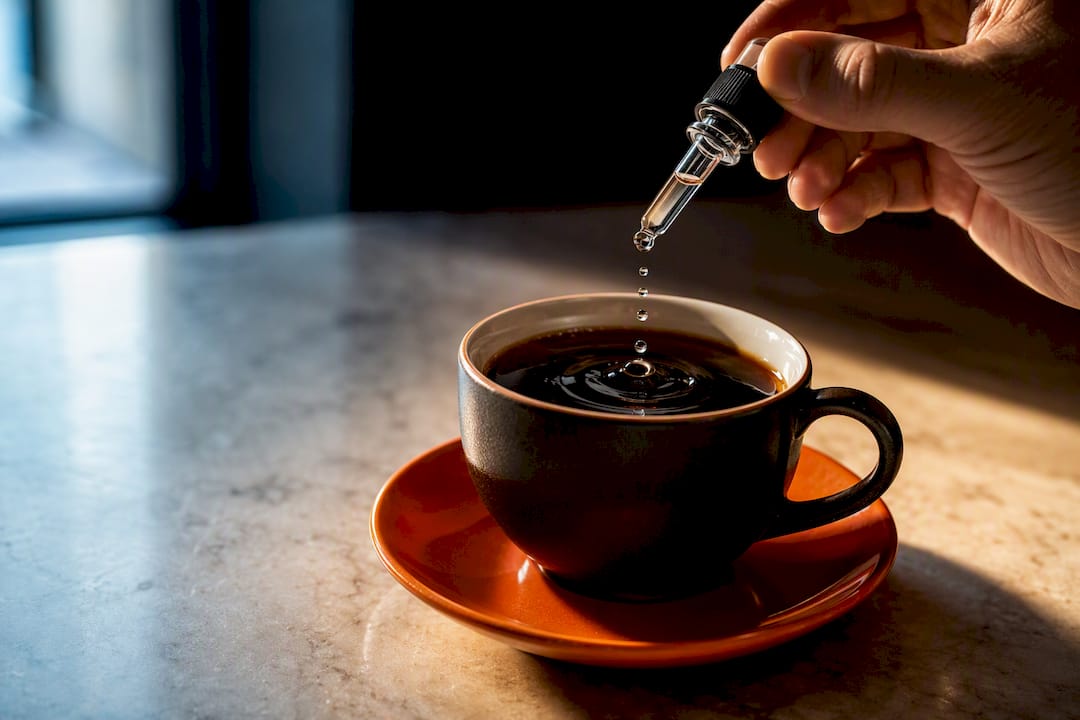
Pure stevia typically does not raise blood glucose or insulin enough to break a standard intermittent fast aimed at weight loss or metabolic health. The exceptions matter: powdered packets with bulking agents, glycerin-based liquid drops, and individual insulin sensitivity can all change the calculus. If you’re chasing deep autophagy or running a therapeutic fast, skip stevia and stick to water or black coffee.
TL;DR:
Stevia, especially pure steviol glycosides without bulking agents, generally does not raise blood glucose or insulin enough to break a standard fast.
Packaged stevia products with maltodextrin, dextrose, or glycerin can add calories and carbs that may affect fasting goals, particularly in extended or autophagy-focused fasts.
No direct evidence shows stevia impairs autophagy in humans, though current data suggest it is metabolically inert for most fasting applications.
For insulin resistance or clinical fasting, individual responses vary, so a personal experiment is recommended to assess stevia’s effects on glucose, ketones, and hunger.
Use glycerin-free stevia drops for most fasting purposes and avoid sweeteners during strict autophagy or therapeutic fasting to minimize uncertainties.
Table of Contents
What the Research Says About Stevia During Fasting
The strongest human evidence points one direction: stevia doesn’t spike insulin the way sugar does. Pooled data from multiple randomized human trials show no consistent insulin-raising effect from stevia consumption, and some analyses even report a small glucose-lowering signal instead. That’s a meaningfully different metabolic profile than table sugar or high-fructose corn syrup, which reliably trigger both.
But “no consistent effect” isn’t the same as “zero effect in everyone.” A 2022 randomized crossover trial in insulin-resistant women found something worth flagging: a low dose of stevia in water produced a higher C-peptide response than the control condition. C-peptide is a proxy for insulin secretion, and this study of 33 women suggests that people with existing insulin resistance may respond differently than the general population.
That’s a narrow, population-specific finding. It doesn’t overturn the broader evidence, but it does mean blanket statements like “stevia never affects insulin” oversell the certainty.
What the evidence doesn’t cover: No study has directly measured autophagy markers in fasting humans who consumed stevia. Every claim you’ve read about stevia “shutting down” autophagy is an extrapolation from cell or animal biology, not a direct human measurement.
Here’s how the evidence breaks down by fasting goal:
Weight loss or general metabolic health: Negligible risk for most people. The insulin and glucose data support normal stevia use.
Insulin resistance or diabetes management: Proceed with more caution. The Sambra trial suggests individual variability is real here.
Autophagy or therapeutic fasting: Unproven either way. No direct data exists, so the conservative choice is to avoid sweeteners entirely.
The bottom line on the evidence: for the average person doing 16:8 or 18:6 fasting, stevia’s measurable metabolic impact is close to zero. For anyone with insulin resistance or a strict clinical protocol, the picture is less settled.
Stevia Forms and Ingredients: What Actually Breaks a Fast
Not all stevia is created equal, and this is where most people trip up. Pure steviol glycosides, the compounds like stevioside and rebaudioside A that give stevia its sweetness, are metabolically inert at typical doses. Your body doesn’t absorb and process them like it does carbohydrates or fats, which is why the human trials find no meaningful calorie or glucose contribution from the compound itself.
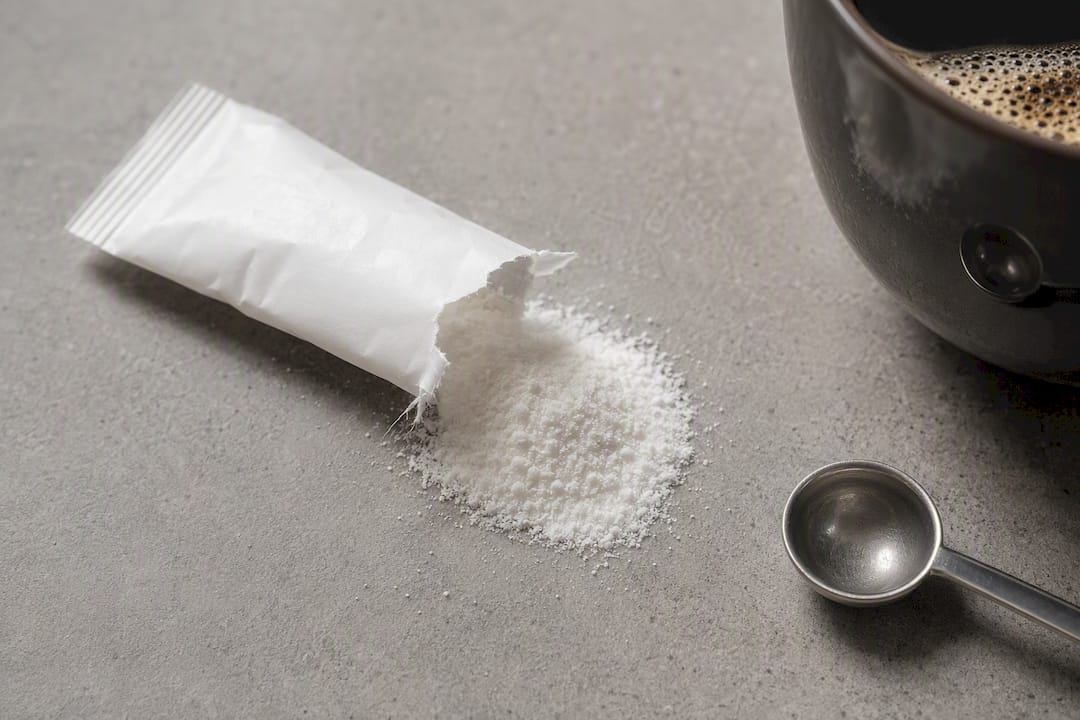
The problem shows up in how stevia gets packaged for retail. Powdered packets often contain bulking agents like maltodextrin or dextrose, both of which are actual carbohydrates. A single packet might fall under the FDA’s rounding threshold that allows products with fewer than 5 calories per serving to be labeled “zero calories,” but stack several packets across a day and those carbs add up.
Liquid drops carry a different asterisk, as many use vegetable glycerin as a carrier, which does carry calories and can produce a small metabolic signal in sensitive individuals. Glycerin-free drops sidestep that issue entirely and are generally the cleanest option on the shelf.
Before you buy, run through this checklist:
No maltodextrin, dextrose, or other bulking agents on the ingredient label
Glycerin-free formulation if you’re doing strict or extended fasts
Short ingredient list, ideally just water and steviol glycosides
Pro Tip: Flip the bottle over before you buy. If “glycerin” or “maltodextrin” appears in the first three ingredients, put it back and find a cleaner version.
Insulin, Autophagy, and Ketosis: Separating Theory From Evidence
The mechanistic worry goes like this: any insulin release, even a small one, activates the mTOR pathway, which in turn suppresses autophagy, the cellular cleanup process many extended fasters are chasing. It’s a coherent chain of logic. The problem is that it’s built almost entirely on cell and animal research, not on measurements taken from fasting humans.
A PMC commentary addressing this directly points out that trace amounts of leucine, an amino acid sometimes present from stevia processing, are far too small in typical doses to meaningfully affect autophagy. The concern that stevia halts cellular cleanup rests on extrapolation, not direct evidence. If maximizing autophagy is your explicit goal, though, the absence of proof of safety cuts the other way too. Nobody has run the study confirming stevia is fine for autophagy either.
Then there’s cephalic phase insulin response, or CPIR, the idea that sweet taste alone, before any nutrients hit your gut, triggers a small anticipatory insulin release. It’s a real physiological phenomenon in some contexts, but the human evidence for a meaningful CPIR from non-nutritive sweeteners in normal-weight people is weak and inconsistent.
Quick reference on what the mechanisms actually support:
Insulin/mTOR/autophagy chain: Biologically plausible, not directly demonstrated in fasting humans consuming stevia.
CPIR from sweet taste: Real mechanism, but weak evidence it matters for stevia specifically.
Ketone impact: Pure steviol glycosides generally don’t move ketones; glycerin carriers might, modestly, in very sensitive fasters.
If you’re tracking ketones for precision keto work, the carrier matters more than the sweetener itself.
Practical Rules for Using Stevia by Fasting Goal
Match your stevia use to what you’re actually trying to accomplish:
Standard 16:8 or 18:6 fasting: Liquid, glycerin-free stevia drops are fine. A reasonable range is 4 to 8 drops per 12-ounce beverage.
Extended or autophagy-focused fasts: Skip sweeteners entirely. Water, plain coffee, and plain tea are the only conservative choices until direct human autophagy data exists.
Keto-focused fasting: Stick to glycerin-free drops, and if you’re doing precision tracking, test your own ketone response before and after adding stevia.
Behavioral check: If sweet taste seems to increase hunger or leads to overeating once your eating window opens, pull the stevia and see if adherence improves.
Your fasting window at work matters here too. Someone running a tight 16:8 schedule around a demanding job has different tolerance for small metabolic variables than someone attempting a 72-hour therapeutic fast.
Pro Tip: If black coffee alone feels impossible to sustain long term, a few drops of clean stevia might be the difference between a habit you keep and one you abandon by Friday.
When Stevia Is a Bad Idea and How to Test Your Own Response
Some situations call for more caution than the general rules above. Skip stevia if you have diagnosed insulin resistance and you’re fasting for therapeutic metabolic reasons, if you’re fasting under clinical supervision for a specific medical protocol, or if you’re tracking ketones for a medical reason rather than general curiosity.
For everyone else, a short self-experiment beats guessing:
Run a 3 to 7 day elimination trial: cut stevia completely and note your baseline fasting glucose or ketone readings.
Reintroduce stevia and measure the same markers, along with hunger levels and how much you eat once your window opens.
Watch for red flags: a consistent ketone drop, a measurable glucose or insulin shift, or noticeably stronger cravings.
If any of those show up, that’s your answer, and it’s personal to you.
How ForgeFast Turns This Research Into a Habit
Evidence is only useful if it changes what you actually do at 10 a.m. when the craving hits. This approach includes a simple ingredient checklist, a limited-use policy on sweeteners, and short tracking windows that help turn “does stevia work for me” into a measured experiment rather than a guessing game.
If cravings are the real issue behind reaching for stevia in the first place, ForgeFast’s guidance on managing fasting cravings and understanding insulin’s role in fasting gives you the fuller picture before you decide.
A Straight Answer on Stevia and Fasting
Pure liquid stevia works fine for most people doing standard intermittent fasting. Save the zero-sweetener rule for strict autophagy or clinical fasts, and let a short personal test settle the rest. Adherence beats theoretical risk almost every time.
— Tony Lindsay
Sources
For deeper reading, the PMC autophagy commentary and the pooled human trial data cited above are hosted on PubMed Central, the National Institutes of Health’s free archive of biomedical literature. Both are worth a full read if you want the primary data behind this article’s conclusions.
This article is general information, not a substitute for advice from a qualified doctor. Consult a qualified healthcare professional about your own circumstances before acting on anything here.
FAQ
Does Stevia Kick You Out of Autophagy?
No study has directly measured autophagy in humans who consumed stevia while fasting, so nobody can say for certain either way. A PMC commentary notes that trace leucine from stevia processing is too small to meaningfully disrupt autophagy, but if autophagy is your explicit goal, the conservative move is water and black coffee only.
Will Putting Stevia in My Coffee Break My Fast?
For most people doing standard intermittent fasting, pure stevia in coffee does not meaningfully raise insulin or glucose. Check that your coffee sweetener has no maltodextrin or dextrose filler, and if you’re on an extended or autophagy-focused fast, skip it entirely.
What Is Dirty Fasting?
Dirty fasting refers to allowing small amounts of low-calorie additions, like black coffee, tea, or a splash of cream, during a fasting window instead of restricting intake to water alone. Stevia typically falls into this category: it doesn’t derail metabolic benefits for most people but isn’t strictly “clean” in the water-only sense.
Will Stevia Break Ketosis?
Pure steviol glycosides generally don’t move ketone levels in most people. Glycerin-based liquid drops can produce a modest effect in very sensitive individuals, so glycerin-free drops are the safer choice if you’re tracking ketosis closely.
Recommended
Comments