Why Meal Prep Matters for Intermittent Fasting Success


Meal prep is the single most reliable way to make intermittent fasting actually work. Without food ready to go when your eating window opens, you’re making decisions while hungry, which almost always ends badly. Prepping ahead removes that pressure entirely. Here’s what it delivers:
Reduces decision fatigue during compressed eating windows, cutting impulsive food choices
Ensures consistent intake of protein, fiber, and nutrient-dense whole foods every day
Supports metabolic flexibility by stabilizing blood sugar and enabling steady energy
Increases adherence to fasting protocols, particularly beyond the critical six-month mark
Controls portions without requiring daily calorie counting or mental math
Research backs this up. Individuals who prep meals systematically have a substantially higher likelihood of maintaining their intermittent fasting protocol beyond six months compared to those who don’t plan ahead.
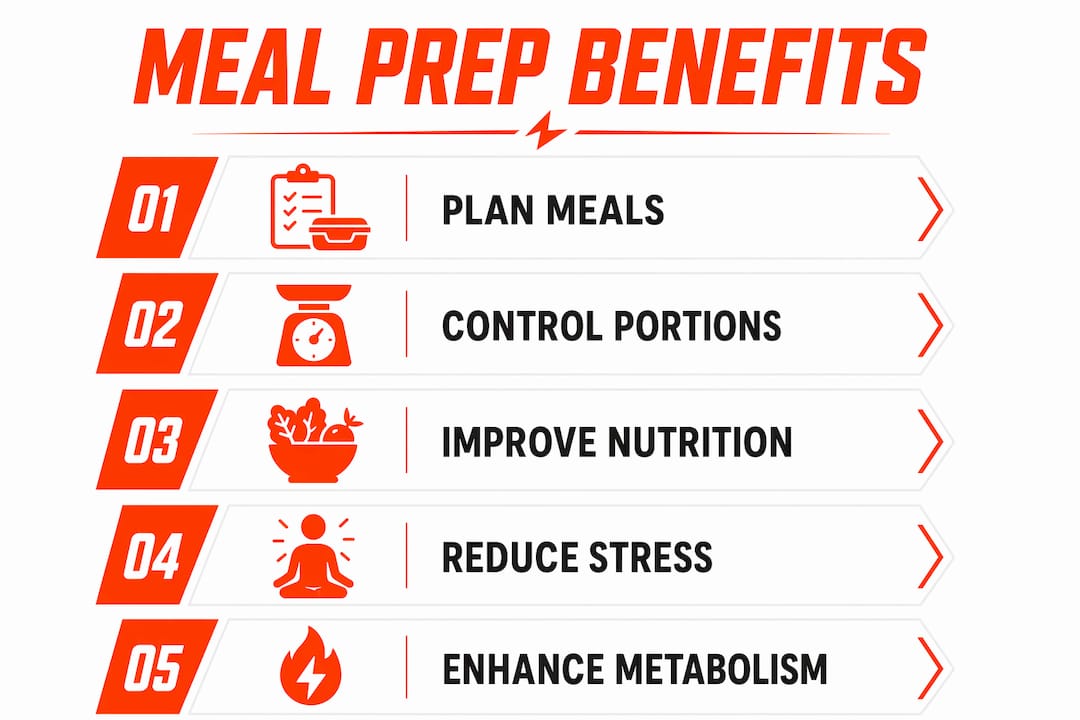
How meal prep enhances your intermittent fasting outcomes
The real power of meal prep for fasting isn’t just convenience. It’s the way it shapes what you eat and when, which directly affects how well your body responds to fasting.
Nutrient timing becomes intentional. When your eating window is 8 hours or fewer, every meal carries more weight. Batch cooking proteins, grains, and vegetables in advance means you can hit your macronutrient targets without scrambling. Consuming 20–40g of protein per meal optimizes muscle protein synthesis and keeps hunger hormones in check, something that’s nearly impossible to achieve consistently without planning.
Processed food reliance drops sharply. When prepped meals are already in the fridge, the pull toward fast food or packaged snacks weakens. Home cooking is directly linked to reduced risk of type 2 diabetes, lower calorie intake, and less weight gain over time compared to regular consumption of ultra-processed foods.

Without meal prep | With meal prep |
Reactive food choices when hungry | Pre-decided, balanced meals ready to eat |
Inconsistent protein and fiber intake | Structured macronutrients per meal |
Higher reliance on processed foods | Whole food ingredients prepped in advance |
Decision fatigue during eating windows | Cognitive load removed before hunger hits |
Harder to sustain fasting long-term | Stronger adherence and consistency |
Pro Tip: Break your fast with 25–30g of protein and 8–12g of fiber. This combination stabilizes blood sugar and prevents the “I’m starving” rebound that derails dinner.
Effective strategies to align meal prep with your fasting schedule
Getting meal prep right for intermittent fasting is less about cooking everything on Sunday and more about building a system that fits your actual week.
Use a modular approach. Rather than preparing complete meals, prep individual components: cooked grains, roasted vegetables, portioned proteins. This ingredient-first method prevents palate fatigue, supports metabolic adaptation, and gives you flexible combinations throughout the week without extra cooking time.
Schedule prep around your fasting windows. If you follow a 16:8 protocol with a noon to 8:00 PM eating window, prep on Sunday afternoon or Wednesday evening. Aligning prep sessions with your weekly rhythm makes the habit stick faster than treating it as an occasional project.
Prioritize protein-forward, fiber-rich ingredients. Lean meats, eggs, legumes, dark leafy greens, quinoa, and sweet potatoes cover your macronutrient bases and support gut health. Whole grains consumed regularly are linked to lower chronic disease risk, making them a smart base for fasting meal plans.
Label everything. Date your containers and rotate older items to the front. This one habit dramatically reduces food waste and keeps your prep routine sustainable week after week.
Offload decisions before hunger arrives. Tools like AI-assisted meal planning can help you build nutritionally dense, protein-rich meal rotations tailored to your fasting schedule, removing another layer of daily decision-making.
Pro Tip: Prep common ingredients across multiple meals at once. If two recipes call for roasted sweet potato, cook a full tray and use it across lunch, dinner, and a post-fast first meal. You get variety without doubling your time in the kitchen.
How meal prep supports your mindset and metabolic health long-term
Fasting is as much a mental discipline as a physical one. Meal prep addresses both sides.
Decision fatigue is a documented failure point in fasting adherence. When your eating window opens and you haven’t planned, the brain defaults to high-calorie, low-effort options. Pre-portioned meals eliminate that moment entirely. You open the fridge, grab what’s there, and eat well without burning any mental energy on the choice.
Beyond the psychological relief, there’s a metabolic argument. Structured meal prep supports improved insulin sensitivity and reduced inflammation markers, two outcomes that fasting alone can’t guarantee without quality food in the eating window. Balanced macronutrients across meals also support lean muscle preservation, which matters especially during longer fasting periods.
Meal prep functions as cognitive offloading, shifting you from a reactive dieting mindset to a consistent, rhythmic eating pattern. That shift is what separates people who fast for a few weeks from those who build it into their lives permanently. Habit formation research consistently shows that reducing friction around a behavior, like having food already prepared, is more effective than relying on willpower.
Portion control also becomes automatic. You’ve already decided how much you’re eating. There’s no negotiating with yourself at 7:00 PM when you’re tired and the eating window is closing. That structure is where fasting meal planning pays its biggest dividend.
ForgeFast gives you the structure that makes fasting sustainable
Most people who struggle with intermittent fasting aren’t failing because of willpower. They’re failing because they lack a system.

ForgeFast was built specifically for this. The methodology combines the biological science of fasting with the psychological framework needed to make it a permanent habit, not a temporary experiment. Where generic diet programs hand you a meal plan and leave you to figure out the rest, ForgeFast integrates intermittent fasting structure with mindset training, metabolic flexibility principles, and practical preparation systems. You get the mental resilience tools alongside the nutritional guidance, so the two reinforce each other. If you’re serious about making fasting work long-term, visit ForgeFast and start building the system that actually holds.
Key Takeaways
Meal prep is the structural foundation that turns intermittent fasting from a short-term effort into a lasting metabolic habit, supported by consistent nutrition and reduced decision fatigue.
Point | Details |
Adherence increases with prep | Individuals who prep meals systematically have a substantially higher likelihood of maintaining their intermittent fasting protocol beyond six months compared to those who don’t plan ahead. |
Protein targets require planning | Hitting 20–40g of protein per meal within compressed eating windows demands advance preparation. |
Decision fatigue drives failure | Pre-portioned meals remove the moment of impulsive choice when hunger peaks at window opening. |
Modular prep prevents burnout | Prepping ingredients rather than full meals creates variety without extra daily cooking time. |
ForgeFast builds the full system | ForgeFast pairs fasting structure with mindset tools to make meal prep and metabolic habits permanent. |
Recommended
Comments